
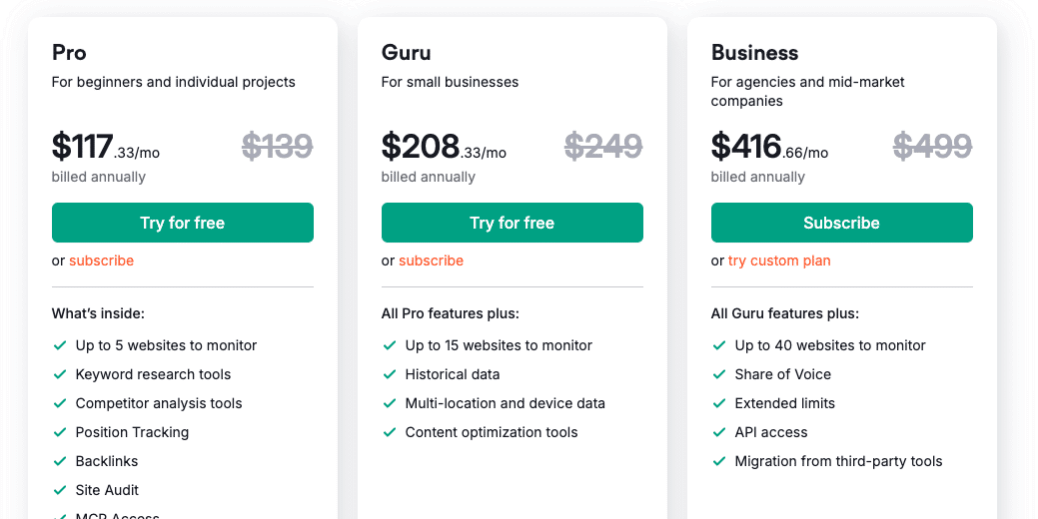
We love working with deep-tech founders, CMOs, and CROs who are scaling infrastructure, AI, observability, and developer platforms. One of the highest-leverage GTM decisions they make involves price laddering. This approach uses tiered packaging and deliberate feature bundling across escalating price points to capture more of the total addressable market while creating natural upgrade paths that drive expansion revenue.
In our experience helping these companies, well-executed price laddering aligns with how technical buyers think and behave. It cuts sales friction and turns product capabilities into a more predictable pipeline and strong net revenue retention (NRR). There is science, psychology, and practical mechanics that make this strategy so effective, because we have seen it deliver measurable outcomes for the teams we support.
How does price laddering work?
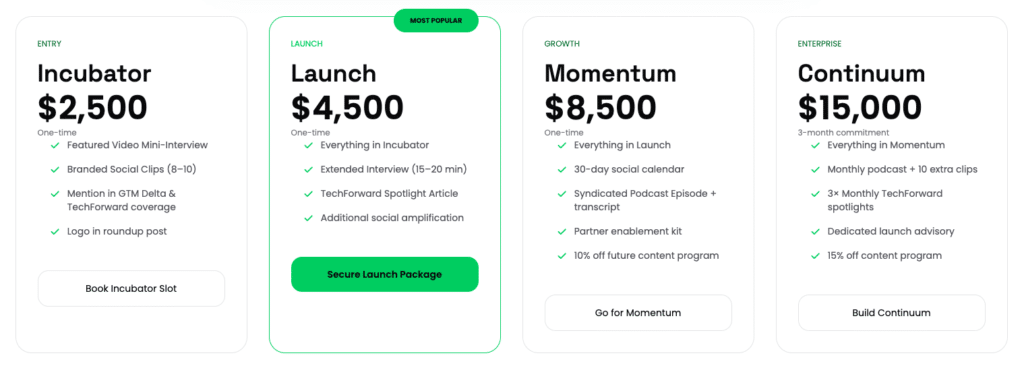
Price laddering works because it applies smart price discrimination. Companies typically use three to four tiers (the proven sweet spot). This setup serves price-sensitive early adopters at the entry level while anchoring high-value enterprise buyers at the top. The middle tier often drives the majority of revenue.
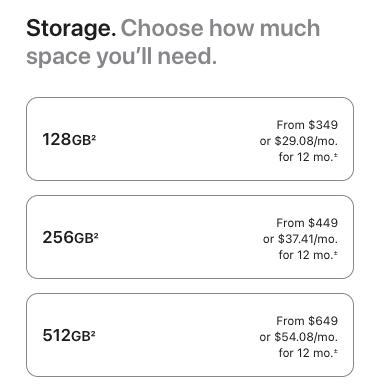
Optimized tiered structures deliver meaningful Average Revenue Per User (ARPU) lifts and support higher growth rates. Companies that combine tiers with usage-based elements frequently see stronger revenue expansion and better NRR compared to flat subscription models. Even small improvements in realized pricing can significantly boost profitability, and laddering helps minimize heavy discounting on the core offering.
Heuristics of Successful Price Laddering
The psychology behind why it works with technical buyers is equally compelling. Technical decision-makers respond strongly to several core principles:
- Anchoring and reference value – The highest tier sets a premium reference point that makes the middle option feel like the smart, high-value choice.
- Decoy effect – A strategically designed entry tier highlights the advantages of the target middle tier without creating choice overload.
- Bundling and mental accounting – Buyers undervalue individual features but appreciate cohesive packages that solve clear pain points.
We recommend gating meaningful capabilities such as usage limits, advanced modules (e.g. API access), support SLAs, and compliance features. This creates clear value jumps between tiers that match how customers mature and expand their usage.
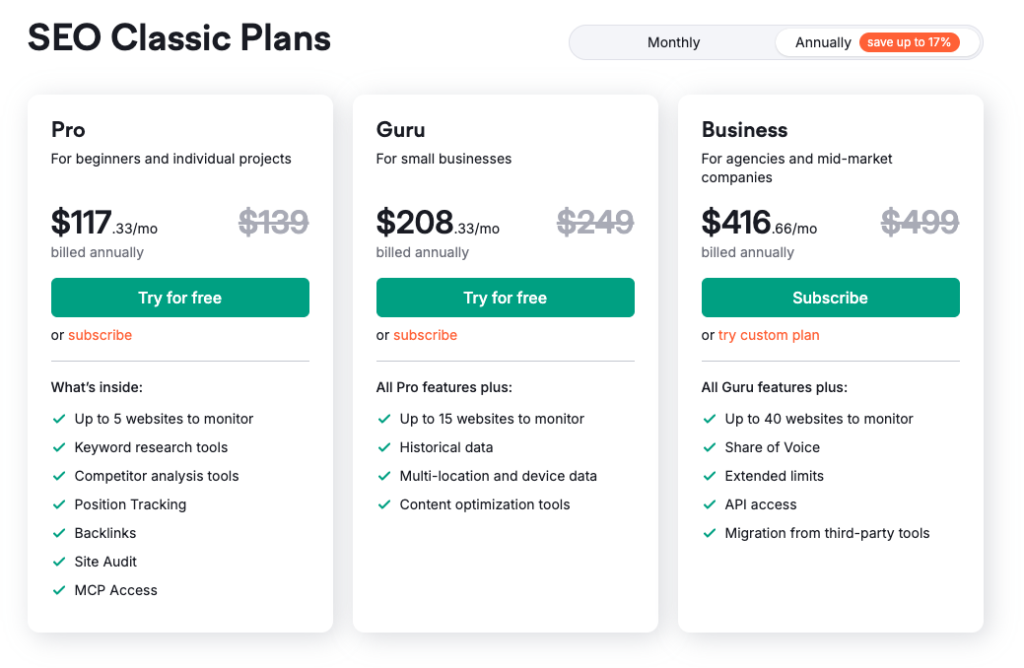
Building effective price ladders follows a clear framework we use with clients. Start by limiting yourself to three or four tiers: an entry level for acquisition, a core tier that serves your primary ICP (this one usually becomes the revenue engine), a growth or scale tier, and an enterprise option for large accounts and reference value. Differentiate tiers using your most important value metrics, whether that is hosts monitored, data volume, API calls, or seats. Avoid feature soup. Every gated item should tie directly to a distinct buyer need or growth trigger.
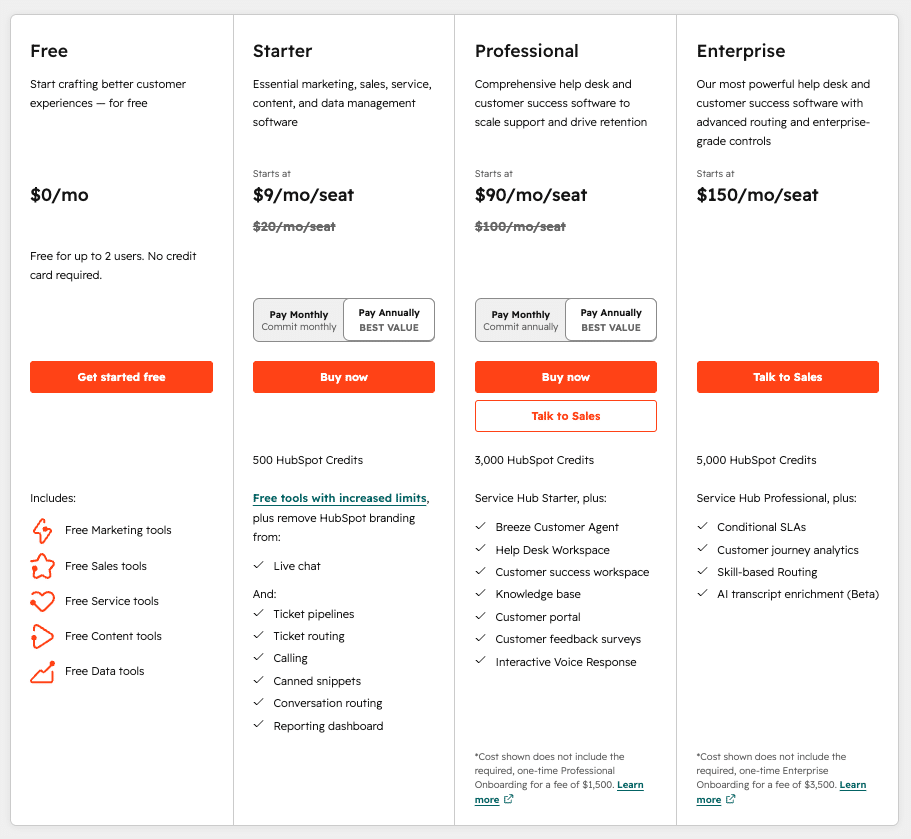
We’ve seen strong results with companies that follow this approach. HubSpot built a classic tiered model with contact-based pricing that allowed customers to start small and expand as their marketing operations matured. Slack combined a generous free tier with per-active-user pricing and clear feature gates around history and compliance, which fueled rapid product-led growth and high retention.
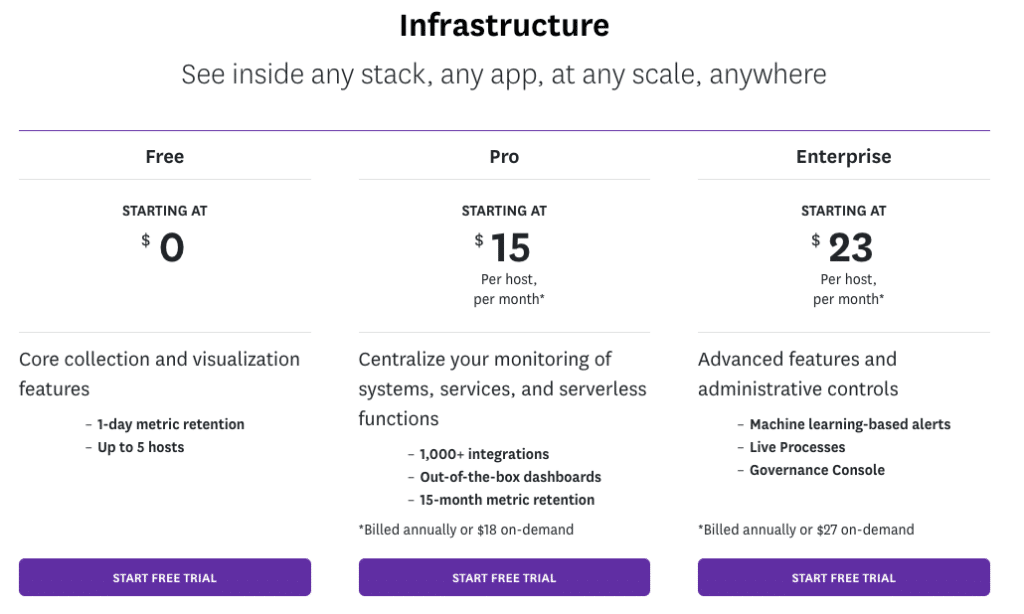
Datadog uses a hybrid approach with per-host infrastructure pricing plus consumption for logs and APM, which supports impressive revenue growth and NRR well above 115 percent in many of their quarterly revenue reports.
Turning Price Laddering into Strategy for B2B Tech Startups
For deep-tech companies, communicating these tiers requires the same technical credibility as your product itself. Your pricing page and supporting content must clearly map each tier to specific use cases and buyer personas. This is exactly where strong technical marketing assets, such as positioning briefs, ROI calculators, and case studies, make a measurable difference in shortening sales cycles and improving win rates.
Here is what we recommend you do next:
- Audit your current packaging against your buyer personas and primary value metrics.
- Model several revenue scenarios for a clean three- or four-tier structure with the middle tier positioned as the most popular choice.
- Test your new bundles and messaging with a small cohort of prospects before a full rollout.
- Track tier migration rates and expansion metrics closely, as these become leading indicators of GTM health.
Price laddering, when grounded in how technical buyers actually evaluate options, becomes one of the most powerful tools for sustainable growth. We have watched it transform early-stage companies into category leaders by aligning packaging with customer evolution and value realization.
If your team is evaluating or refining your pricing architecture, we would love to help operationalize the narrative, positioning, and enablement assets needed to bring it successfully to market. Reach out to us at connect@gtmdelta.com to discuss how we can support your specific platform and ICP.
